Harnessing the Sun: Why Rooftop Solar Is Transforming the Future of Energy

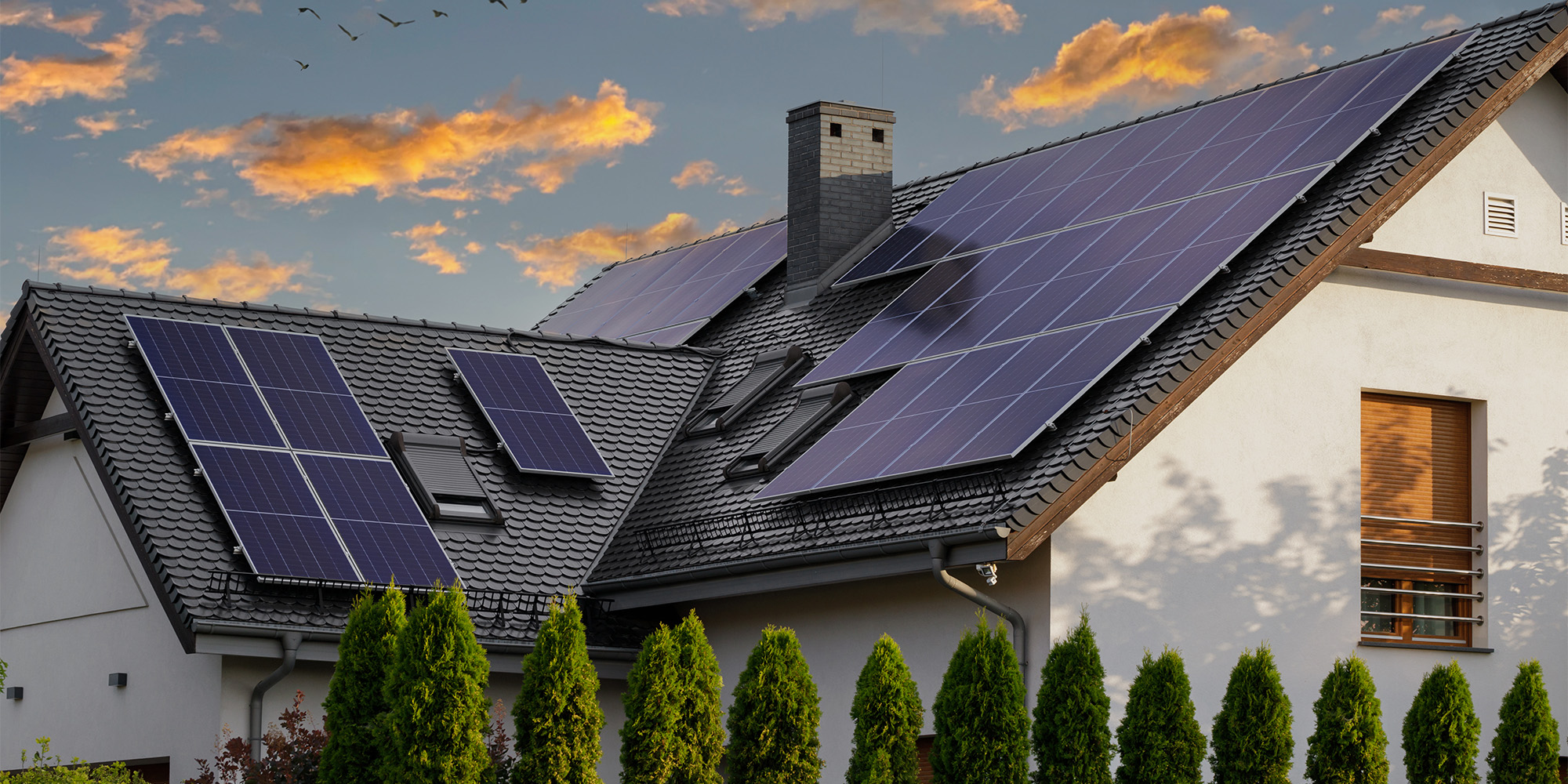
As the world accelerates toward cleaner, more resilient energy systems, rooftop solar has emerged as one of the most practical and impactful solutions for decarbonising electricity. By allowing homes, businesses, and institutions to generate power directly where it is used, rooftop solar not only reduces emissions but also empowers consumers, stabilises energy costs, and strengthens energy security. With advancements in technology, falling installation costs, and supportive policy frameworks, rooftop solar is steadily moving from an environmental aspiration to a mainstream energy strategy.
One of the biggest advantages of rooftop solar is its ability to reduce dependence on fossil fuels while cutting electricity bills. Solar photovoltaic (PV) systems convert sunlight into electricity with no direct emissions, making them a key tool in climate mitigation efforts. Once installed, they provide clean electricity for decades, with minimal maintenance and steadily declining costs per unit of energy produced. In many regions, solar energy has already become one of the cheapest sources of power, and rooftop systems allow households and businesses to benefit directly from this economic shift. Net metering policies and grid-tied systems further enable users to feed excess energy back into the grid, creating opportunities for cost recovery and community-wide energy benefits.
Rooftop solar also plays a crucial role in enhancing energy resilience and access. Distributed rooftop systems reduce transmission losses and lower pressure on centralised grids, particularly during peak demand. In areas prone to power outages, when paired with battery storage, rooftop solar can provide backup power and enhance reliability. For rural and underserved communities, especially in developing regions, rooftop solar offers a decentralised alternative where extending traditional grid infrastructure is expensive or impractical. This democratisation of energy not only supports climate goals but also strengthens social equity and energy justice.
From an environmental perspective, the benefits extend beyond emissions reduction. Rooftop solar installations help improve local air quality by reducing the need for fossil fuel-based electricity generation. Over their lifecycle, solar PV systems have significantly lower environmental footprints compared to coal or natural gas power plants. When integrated with cool roofs or green building strategies, rooftop solar can also contribute to mitigating urban heat island effects and promoting sustainable urban design.
However, despite its enormous potential, rooftop solar still faces challenges. Upfront installation costs can remain a barrier for some households, particularly in low-income communities, although innovative financing models such as leasing, community solar, and government incentives are helping bridge this gap. Technical and regulatory barriers, including permitting delays, grid integration challenges, and policy inconsistencies, can also slow deployment. Additionally, variations in sunlight availability, roof orientation, and structural suitability mean rooftop systems are not feasible for every building. Addressing these challenges requires continued policy support, streamlined permitting, improved storage technologies, and public awareness.
Looking ahead, the future of rooftop solar is increasingly intertwined with digital innovation and smart energy systems. Advances in energy storage, smart meters, and building-integrated photovoltaics are enhancing system efficiency and flexibility. As cities move toward electrification of heating, cooling, and transportation, rooftop solar will play a vital role in powering this transition sustainably. With increasing adoption, rooftop solar is not just an energy solution; it is a cornerstone of climate resilience, community empowerment, and a cleaner global energy future.
References
- International Energy Agency (IEA). (2023). Solar PV Tracking Report. Retrieved from: https://www.iea.org/reports/solar-pv
- International Renewable Energy Agency (IRENA). (2022). Future of Solar Photovoltaic: Deployment, Investment, Technology, Grid Integration and Socio-economic Aspects.
- National Renewable Energy Laboratory (NREL). (2021). Rooftop Solar Photovoltaic Technical Potential in the United States.
- REN21. (2023). Renewables Global Status Report.
- United Nations Environment Programme (UNEP). (2022). Renewable Energy and Energy Efficiency Status and Trends.
- Farhoodnea, M., et al. (2020). Solar Rooftop Systems: Opportunities and Challenges for Buildings. Renewable and Sustainable Energy Reviews.
- World Bank. (2020). Distributed Solar in Developing Countries: Opportunities and Policy Considerations.