Heat Pumps: Energy-Efficient Heating and Cooling


As the world transitions toward net-zero emissions, the construction and housing sectors are rethinking how we heat and cool our buildings. Among the many innovations leading this transformation, heat pumps stand out as one of the most promising technologies. Often described as the cornerstone of low-carbon living, heat pumps provide an efficient, sustainable, and cost-effective way to manage indoor comfort, making them a key player in the global effort to decarbonise homes and communities.
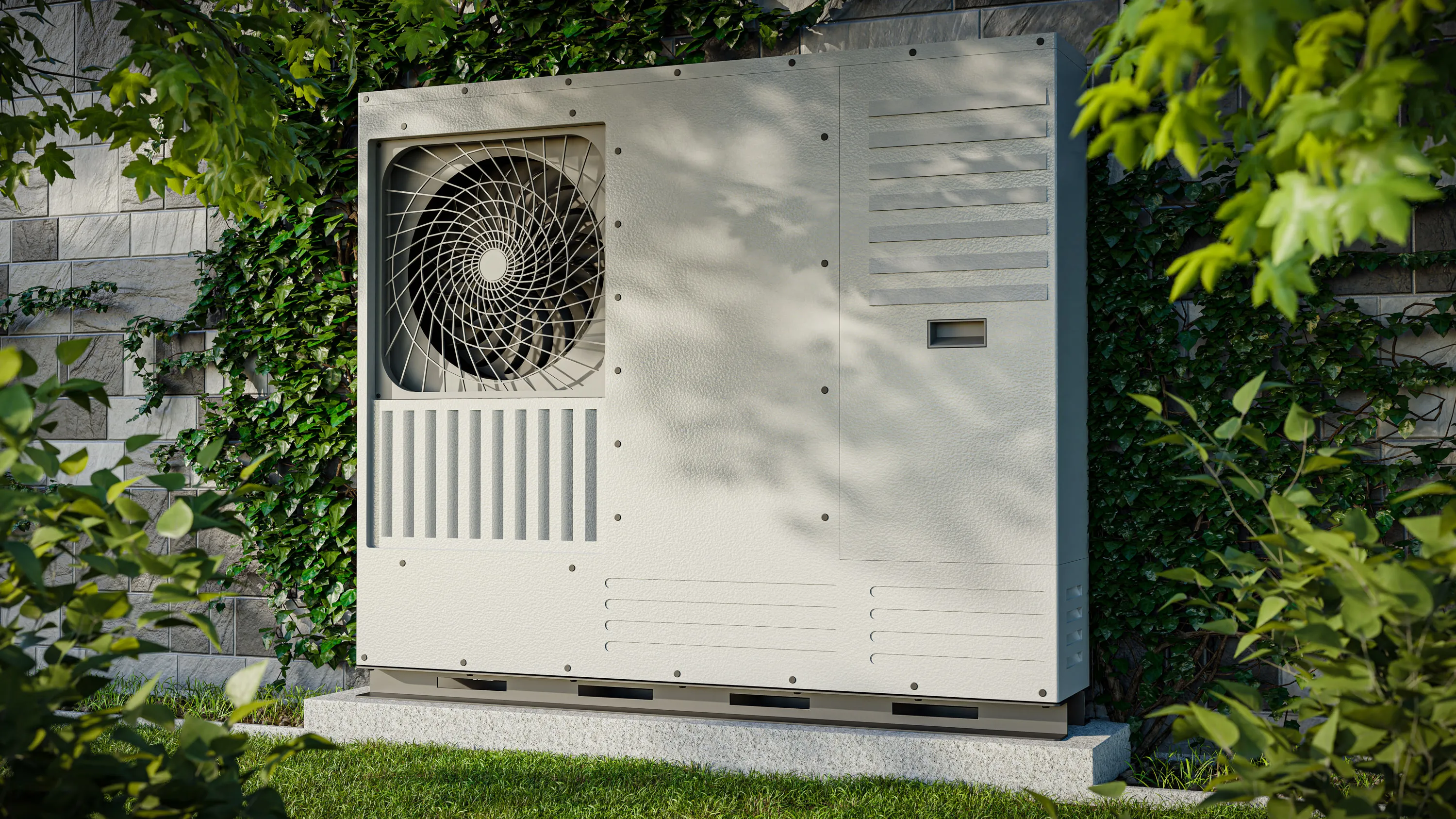
At their core, heat pumps are not a new invention, but recent advances in design, performance, and affordability have made them a crucial part of the modern energy transition. Rather than burning fuel to create heat, heat pumps work by transferring heat from one place to another, much like a refrigerator, but in reverse. In the winter, they extract heat from the air, ground, or water outside and bring it indoors. In the summer, they reverse the process, expelling indoor heat to keep interiors cool. Because they move heat instead of generating it, heat pumps can deliver up to three to four times more energy than they consume in electricity, making them far more efficient than traditional systems such as gas furnaces or electric heaters.
There are several types of heat pumps suited to different environments and building needs. Air-source heat pumps (ASHPs) are the most common, drawing warmth from outdoor air even in cold conditions. Modern cold-climate models can operate efficiently at temperatures as low as −25°C, making them a practical option for most Canadian homes. Ground-source or geothermal heat pumps (GSHPs) use the stable temperature of the earth to provide heating and cooling, offering even higher efficiency, though at a greater installation cost. Meanwhile, water-source heat pumps utilise nearby water bodies, and hybrid systems combine heat pumps with existing furnaces for improved performance flexibility. This versatility allows heat pumps to be integrated into both new builds and retrofits, across a variety of climate zones.
The surge in interest around heat pumps is being driven by their alignment with national and global climate and energy policies. In Canada, they feature prominently in the Greener Homes Initiative and TransformTO programs, both of which promote energy efficiency and carbon reduction in buildings. The European Union has committed to installing 30 million new heat pumps by 2030, while the United States has made them more affordable through rebates and incentives under the Inflation Reduction Act. Policymakers recognise that decarbonising heating, which accounts for a large portion of building emissions, is essential to achieving net-zero targets, and heat pumps offer one of the most practical pathways to get there.
Beyond policy, heat pumps make economic and comfort sense. They can reduce energy consumption for heating by 50–70%, leading to substantial savings on utility bills over time. Their steady, even heating eliminates the cold spots often associated with traditional systems, while built-in air filtration improves indoor air quality. When paired with renewable electricity sources, heat pumps provide a near-zero-carbon solution for both heating and cooling a critical step in making buildings more sustainable and resilient to climate change.
However, widespread adoption is not without challenges. Upfront installation costs can be higher than those of gas furnaces, though long-term operating savings typically offset this difference. Some older homes may require electrical upgrades to support the new systems, and in certain cases, homeowners face a shortage of trained installers. While earlier generations of heat pumps struggled in extreme cold, advancements in design have significantly improved cold-climate performance. Overcoming these remaining barriers will require continued investment in training, incentives, and public awareness.
Innovation is also rapidly reshaping the next generation of heat pumps. Researchers are developing systems that use low-GWP (global warming potential) refrigerants to reduce environmental impact. Smart heat pumps can integrate with home energy management systems, responding to time-of-use electricity pricing and contributing to grid stability. Hybrid heat pump-thermal storage systems combine energy efficiency with resilience, while retrofit-ready models are making it easier to replace fossil-fuel boilers without major renovations. As renewable energy adoption expands, heat pumps will increasingly work in tandem with solar panels and battery storage, creating a self-sufficient, low-carbon ecosystem within homes and buildings.
The impact of heat pumps is already evident in real-world applications. In Toronto, for instance, retrofitting older homes with air-source heat pumps has reduced annual greenhouse gas emissions by up to 60%, without compromising comfort. Across Europe, similar projects have demonstrated reliable performance even in harsh winter conditions, proving that climate is no longer a limiting factor for efficiency.
Ultimately, the rise of heat pumps represents more than just a technological shift it signals a rethinking of how we power our lives. They embody the essence of modern sustainability: efficient, clean, and adaptable. For homeowners, builders, and policymakers alike, investing in heat pump technology is not simply a step toward energy savings; it’s a commitment to future-proofing our buildings and communities. As we move toward a net-zero world, heat pumps will continue to play a central role not as an accessory to green design, but as the beating heart of energy-efficient construction.
References
Natural Resources Canada. (2024). Heat Pump Technologies – Fact Sheet. Government of Canada. Retrieved from https://publications.gc.ca/collections/collection_2025/rncan-nrcan/M154-173-2024-eng.pdf