Hempcrete: The Eco-Material Redefining Sustainable Construction

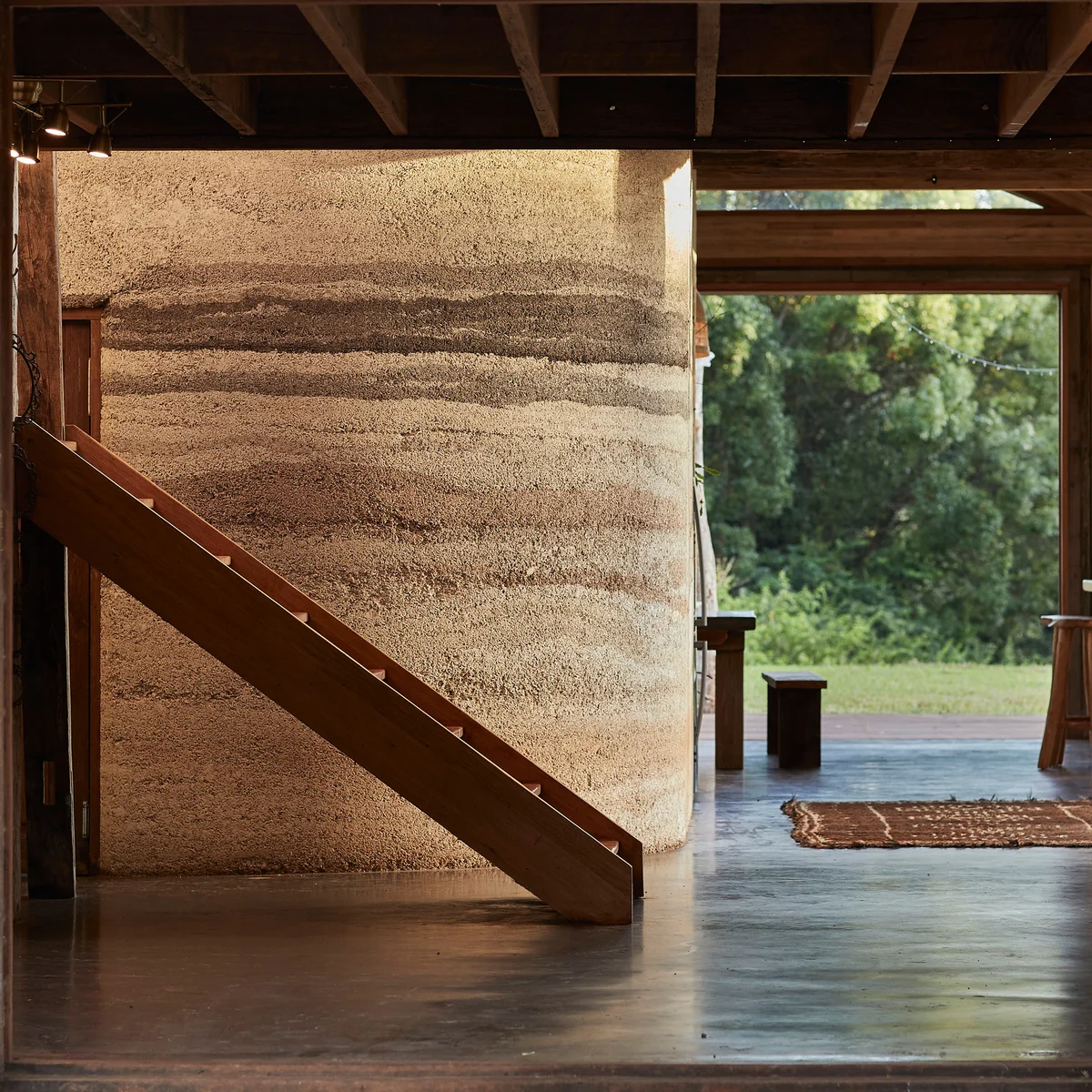
Hempcrete, a bio-composite made from the inner woody core (hurds) of the hemp plant mixed with a lime-based binder and water, has emerged as one of the most promising sustainable building materials of the 21st century. Unlike conventional concrete, hempcrete is plant-based, lightweight, breathable, and exceptionally low in embodied carbon, positioning it as a standout choice for eco-conscious builders and designers.
One of hempcrete’s most compelling qualities is its thermal insulation performance. Its porous structure and natural composition allow it to regulate indoor temperatures effectively, keeping buildings warmer in winter and cooler in summer without heavy reliance on mechanical heating or cooling systems. This passive thermal regulation not only enhances comfort but also reduces energy consumption, an essential priority in sustainable building design.
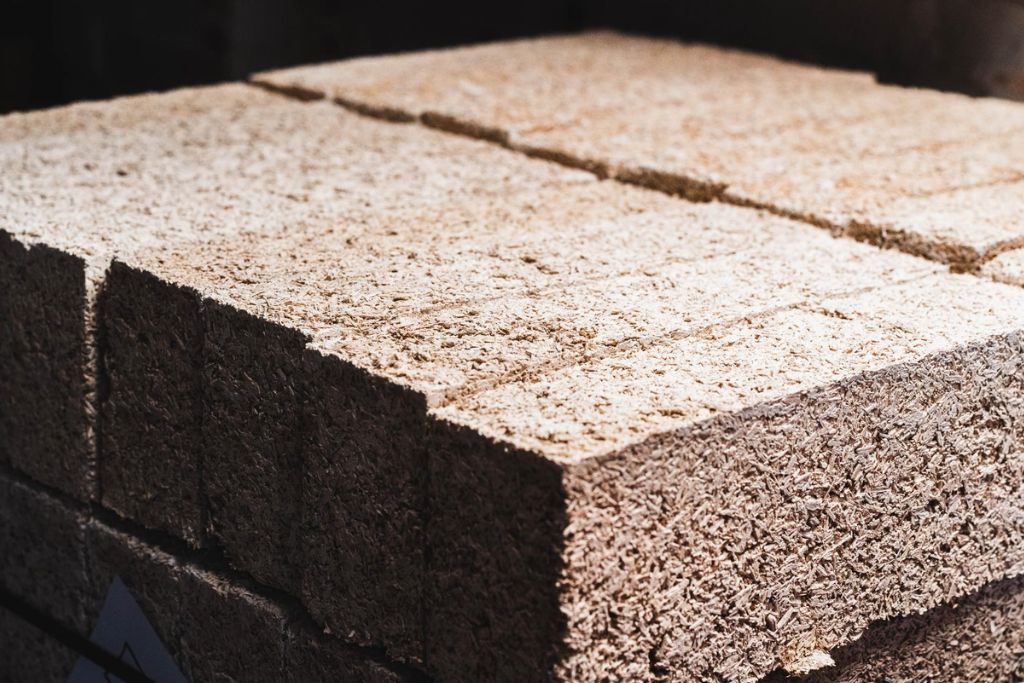
In addition to thermal benefits, hempcrete exhibits excellent moisture management and breathability. Its vapour-permeable nature allows walls to absorb and release moisture, preventing condensation and reducing risks of mould growth—an important health aspect for indoor environments. The combination of breathability and moisture regulation supports healthier buildings with improved indoor air quality.
Safety and durability are also key advantages. Despite being plant-based, hempcrete is fire-resistant due to the lime binder, which helps protect the material from ignition and slows heat transfer in the event of a fire. Studies show that hempcrete walls can withstand high temperatures and provide fire resistance comparable to many conventional building materials. Furthermore, hempcrete does not attract pests and resists mould and rot, adding to long-term durability and indoor environmental quality.
Perhaps most significantly, hempcrete contributes to carbon sequestration and climate mitigation. Industrial hemp is a fast-growing crop that absorbs large amounts of carbon dioxide during its growth. When the hemp hurds are incorporated into hempcrete, much of this carbon remains stored in the finished material for decades, potentially resulting in a carbon-negative life cycle for the material as a whole. Compared with energy-intensive conventional materials like cement, hempcrete’s low embodied energy and carbon sequestration profile make it an attractive option for green building practitioners.
Despite these benefits, hempcrete is not inherently load-bearing, so it is typically used in combination with structural framing, such as wood or steel. Adoption also faces challenges related to building codes, supply chains, and contractor expertise in many regions, which can slow mainstream uptake. However, ongoing research and increasing interest from both the construction industry and sustainable design advocates suggest that these barriers may diminish as familiarity and infrastructure improve.
In a world striving for net-zero emissions and healthier built environments, hempcrete represents a tangible step toward regenerative design. Its blend of insulation performance, moisture control, safety, and low carbon footprint makes it a material worth serious consideration, especially for projects that aim to combine performance with planetary responsibility.
References
- Parmar, V. & Babbar, K. (2023). A Review on the Mechanical Properties and Environmental Benefits of Hempcrete. Educational Administration: Theory and Practice.
- State of the Art Review on Hempcrete as a Sustainable Substitute for Traditional Construction Materials for Home Building. MDPI Buildings.
- Integrated Analysis of Hempcrete Brick as a Bioclimatic Building Material. IJRASET Journal.
- Open Journal of Civil Engineering (2025). Thermal and Fire Resistance Properties of Hempcrete.
- Civil Guidelines. Advantages of Hempcrete Blocks.
- Opportunities & Challenges of Hempcrete as a Building Material for Construction: An Overview. ScienceDirect.
- Hempcrete in Cost-Effective Construction. Rethinking The Future.