How Energy Modelling Can Help Ontario Homeowners Save Energy, Money, and Emissions

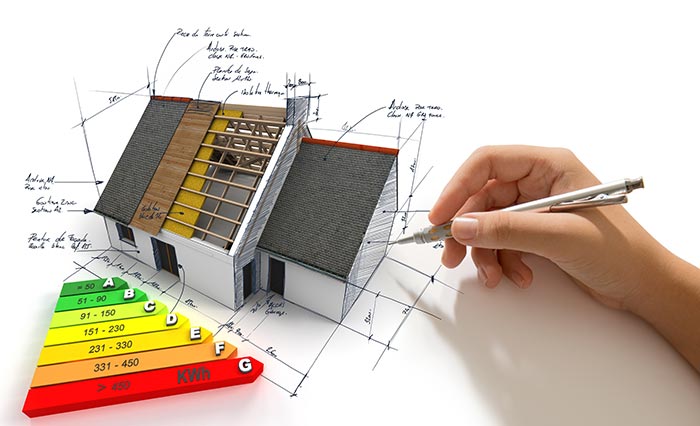
Energy costs in Ontario continue to rise, and homeowners are increasingly looking for ways to make their homes more comfortable, efficient, and resilient. One powerful but often underutilised tool in this process is building energy modelling. Energy modelling uses digital simulations to understand how a home consumes energy and how different upgrades, such as insulation, heat pumps, or better windows, can improve performance. For Ontario homeowners, energy modelling provides a data-driven pathway to smarter renovation decisions, lower utility bills, and reduced environmental impact.
At its core, energy modelling creates a virtual representation of a home that captures how energy flows through the building. The model accounts for factors such as insulation levels, air leakage, heating and cooling systems, window performance, orientation, occupancy patterns, and local climate conditions. Because Ontario experiences both cold winters and increasingly hot summers, understanding seasonal energy demand is critical. Energy models simulate how a home performs throughout the year, allowing homeowners to see where energy is being wasted and where improvements will have the greatest impact.
One of the most significant benefits of energy modelling is its ability to identify cost-effective retrofit strategies. Rather than relying on guesswork or one-size-fits-all upgrades, homeowners can compare multiple scenarios, such as adding attic insulation versus upgrading windows or switching from a gas furnace to a heat pump. The model shows how each option affects energy use, emissions, and operating costs over time. This helps homeowners prioritise investments that deliver the best return, both financially and environmentally.
Energy modelling is also particularly valuable for homeowners navigating Ontario’s incentive and rebate programs. Many provincial and utility programs require proof of performance improvement or energy savings. Energy models can support energy audits, retrofit planning, and documentation needed to qualify for incentives related to insulation upgrades, heat pumps, or net-zero-ready homes. By aligning renovation plans with program requirements from the outset, homeowners can reduce upfront costs and avoid missed funding opportunities.
Beyond savings, energy modelling improves comfort and resilience. Drafty rooms, uneven temperatures, and humidity issues are common in older Ontario homes. Energy models help diagnose the underlying causes such as poor air sealing or inadequate insulation and show how targeted upgrades can improve thermal comfort year-round. As extreme weather events become more frequent, modelling can also help homeowners design homes that perform better during heat waves, cold snaps, and power disruptions.
From a climate perspective, energy modelling supports Ontario’s transition to low-carbon housing. Residential buildings are a significant source of greenhouse gas emissions, largely due to space heating. Energy modelling allows homeowners to understand their carbon footprint and evaluate low-carbon alternatives, such as electrification and renewable energy integration. By visualizing emissions reductions alongside energy savings, homeowners can make choices that align with both personal values and broader climate goals.
Ultimately, energy modelling empowers homeowners with clarity and confidence. It transforms complex building science into actionable insights, helping homeowners make informed decisions rather than reactive ones. Whether planning a major renovation, upgrading a single system, or preparing a home for the future, energy modelling provides a roadmap that balances cost, comfort, and sustainability. For Ontario homeowners facing rising energy prices and evolving climate challenges, energy modelling is not just a technical tool it is a strategic advantage.
References:
Natural Resources Canada. (n.d.). HOT2000 residential energy simulation. Government of Canada. https://www.nrcan.gc.ca/energy-efficiency/homes/hot2000/20573
Natural Resources Canada. (n.d.). Energy efficiency in homes. Government of Canada. https://www.nrcan.gc.ca/energy-efficiency/homes/20548
Canadian Home Builders’ Association. (n.d.). Understanding energy modelling for residential buildings. https://www.chba.ca
EDGE Sustainability. (n.d.). Energy modelling for building performance and compliance. https://edgesustainability.com/energy-modelling/
U.S. Department of Energy. (n.d.). EnergyPlus™ energy simulation software. https://energyplus.net
International Energy Agency. (2023). Buildings and emissions. https://www.iea.org/reports/buildings
Natural Resources Canada. (n.d.). Guide to energy-efficient renovations. Government of Canada. https://www.nrcan.gc.ca/energy-efficiency/homes/retrofits/20570